What Are Span Panels? A Guide for Builders and Homeowners
If you’re planning a new home build, upgrading your electrical system, or exploring smart energy solutions, you’ve probably come across the term span panels in Monterey. These modern panels are gaining popularity among homeowners and builders seeking smarter, more efficient control over their energy use. But with all the buzz, you may be asking: What exactly is a span panel, and is it worth the cost?
At Monterey Bay Heating and Cooling, we love helping families and contractors make informed choices about energy-efficient solutions. In this guide, we’ll break down what span panels are, why they cost more than traditional panels, their pros and cons, and whether they qualify for tax credits. By the end, you’ll have the clarity you need to decide if a SPAN panel is right for your home or project.
Key Takeaways
- A SPAN panel is a smart, digital upgrade to a traditional breaker box that offers real-time monitoring and remote control of home electricity.
- It integrates seamlessly with solar panels, EV chargers, and home batteries, making it ideal for future-ready energy systems.
- SPAN panels cost significantly more than standard panels, with total installation often reaching $4,000–$15,000 or more.
- Despite their higher price, SPAN panels provide unmatched flexibility, energy insights, and outage management.
- Homeowners may qualify for up to 30% in federal tax credits or local rebates when installing SPAN panels as part of renewable energy upgrades.
What Is a Span Panel?
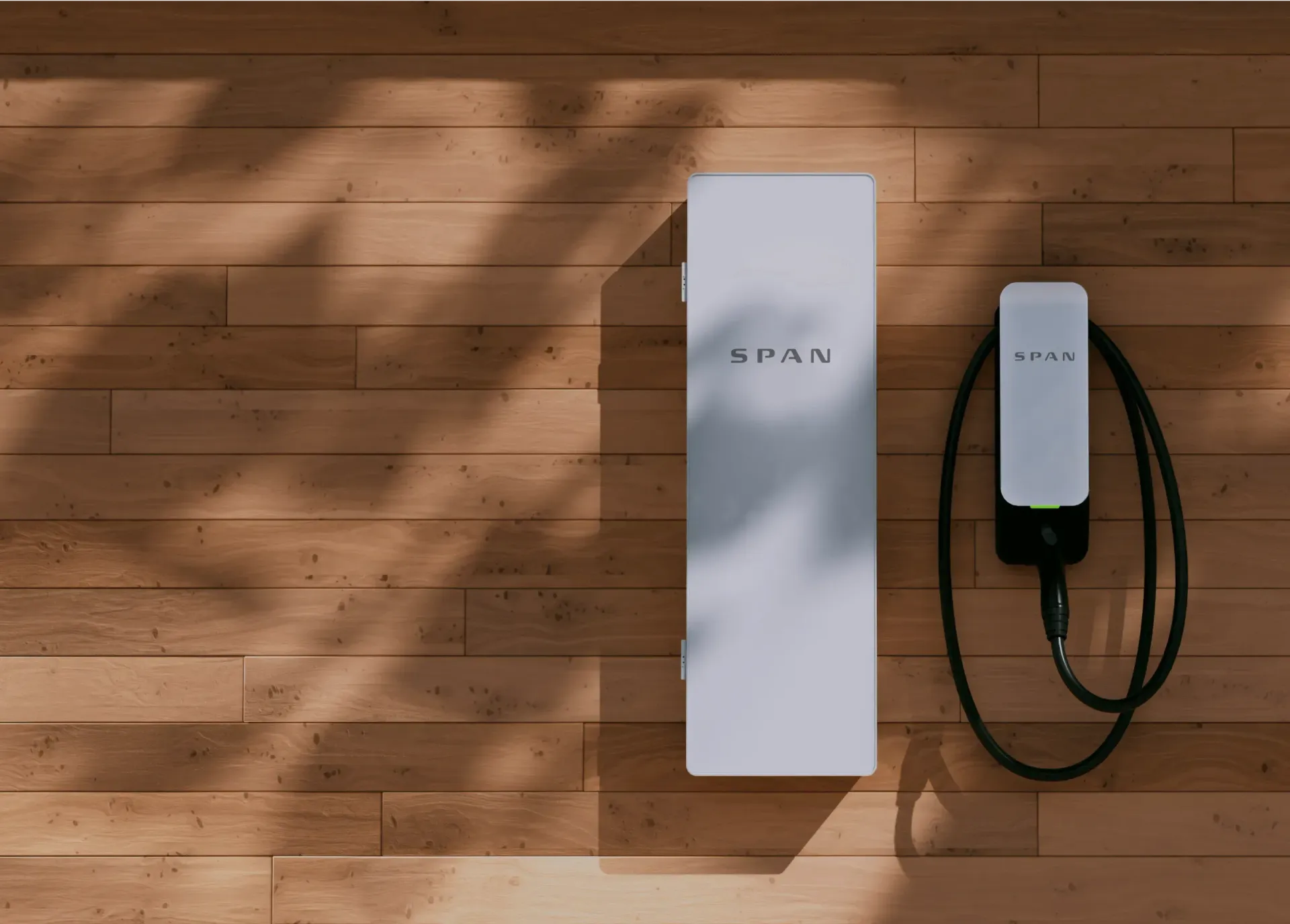
A SPAN panel is not your average breaker box. Think of it as a smart upgrade for your home’s electrical system. Instead of simply flipping switches and tripping breakers, a span panel functions as a digital brain for your home’s electricity.
Here’s what makes them different:
- Real-time monitoring: You can see exactly how much energy each circuit in your home is using.
- Remote control: Using the SPAN Home app, you can turn circuits on or off from anywhere.
- Smarter outage management: If the power goes out, you can choose which appliances or circuits to keep running.
- Seamless integration: Works beautifully with solar panels, home batteries, and EV chargers.
In short, span panels give you control, flexibility, and insights that a traditional panel simply cannot provide. For homeowners who want to future-proof their home’s energy system, this technology is a game-changer.
Why Is the Span Panel So Expensive?
It’s no secret that the span electrical panel price is much higher than that of a traditional breaker panel. A standard electrical panel might cost a few hundred dollars, but a SPAN panel typically runs between $2,550 and $4,100 for the unit itself.
Then there’s installation. Because this is advanced technology, installation costs can range from $2,000 to over $15,000, depending on the complexity of your setup, permitting, and labor. Some homeowners have even reported quotes over $20,000 when major upgrades were required.
So why the big price tag?
- You’re paying for smart technology, not just a box of breakers.
- It’s designed to work with solar, batteries, and EV charging systems, making it future-ready.
- The system comes with app control, sensors, and automation built right in.
- Installation requires a SPAN-certified electrician for proper setup and commissioning.
Yes, it’s an investment—but one that can pay off in energy savings, smarter load management, and peace of mind during outages.
What Are the Cons of Span Panels?
Like any technology, span panels aren’t perfect. Here are a few of the common drawbacks homeowners and builders should keep in mind:
- High upfront cost: The biggest hurdle is the price compared to traditional panels.
- Circuit limitations: Most SPAN panels max out at 200 amps, which may not be enough for very large homes without additional panels.
- Installation complexity: Only SPAN-certified installers can handle setup, which may limit availability and add cost.
- Software learning curve: While the app is user-friendly, homeowners still need to learn how to manage circuits effectively.
- Early-stage technology bugs: Some users have reported occasional discrepancies in energy tracking, though updates are improving performance.
Despite these cons, most homeowners who have installed span panels say the benefits outweigh the drawbacks—especially when combined with solar and backup batteries.
What Is the Difference Between a Span Panel and a Regular Panel?
Let’s put it in simple terms:
- Circuit control: Traditional panels are manual and on-site only; SPAN panels allow remote, real-time control from your phone.
- Energy monitoring: Traditional panels provide none; SPAN panels give circuit-by-circuit insights.
- Backup management: Traditional panels support fixed loads only; SPAN panels are flexible and customizable during outages.
- Smart integration: Traditional panels offer none; SPAN panels work with solar, batteries, and EV chargers.
- Cost: Traditional panels cost around $300–$1,500; SPAN panels range from $2,550–$4,100 plus installation costs.
A traditional panel is like an old flip phone—it does the basics. A SPAN panel, on the other hand, is like a smartphone for your home’s electricity.
Does SPAN Panel Qualify for Tax Credit?
Here’s some good news: yes, SPAN panels do qualify for tax credits in many cases!
- Under the Residential Clean Energy Credit, you can get up to 30% back when the SPAN panel is installed as part of a renewable energy system upgrade (like adding solar, batteries, or an EV charger).
- Some homeowners have reported up to $600 in credits for the panel itself.
- Local rebates may also be available, depending on where you live.
Always consult with your tax professional to confirm your eligibility, but this incentive can make the investment much more affordable.
How Monterey Bay Heating and Cooling Can Help You
At Monterey Bay Heating and Cooling, we know how overwhelming it can be to sort through new energy technology. Our team is here to make the process easy and stress-free.
Why Choose Monterey Bay Heating and Cooling
- Trusted Expertise: We have years of experience in energy-efficient systems, including smart electrical upgrades.
- Tailored Solutions: Every home is different. We’ll recommend the right setup based on your needs and budget.
- Professional Installation: Our licensed technicians handle every detail—from permits to commissioning, so you don’t have to worry.
- Long-Term Support, We’re here for you after installation, ensuring your system runs smoothly for years to come.
If you’re considering a SPAN panel for your home or new build, give us a call. We’ll walk you through the options, provide transparent pricing, and help you take advantage of rebates and tax incentives.
Conclusion
Span panels are redefining the way we think about home energy. They may be more expensive than traditional panels, but the advanced control, flexibility, and peace of mind they provide can make them well worth the investment—especially if you’re planning to go solar or add home batteries. At Monterey Bay Heating and Cooling, we believe in helping families embrace smarter, greener energy solutions. Whether you’re a homeowner looking to upgrade or a builder working on a new project, we’re here to guide you every step of the way.
Frequently Asked Questions
What makes a SPAN panel different from a regular electrical panel?
A SPAN panel allows homeowners to monitor and control their home’s circuits remotely using a mobile app, while traditional panels require manual operation. It also integrates with renewable systems and provides energy tracking, which standard panels do not.
Why are SPAN panels so expensive?
The higher cost comes from their built-in smart technology, sensors, and software, as well as the need for SPAN-certified installation. Although the upfront price is steep, many users find the long-term energy savings and system control justify the expense.
Do SPAN panels work without solar or batteries?
Yes, SPAN panels can function as standalone smart electrical panels even without solar or battery systems. However, their full potential is unlocked when paired with renewable energy or storage solutions.
Can SPAN panels help during power outages?
Absolutely. SPAN panels let homeowners choose which circuits to keep active during an outage, extending battery life and maintaining power for essential devices. This makes them especially valuable for homes with solar and backup batteries.
Are SPAN panels eligible for tax credits or rebates?
Yes, SPAN panels often qualify for the 30% Residential Clean Energy Credit when installed as part of a renewable energy project. Homeowners should also check for local rebates and consult a tax professional to confirm eligibility.