How Long Does an HVAC Installation Take?
If you're getting ready to replace or install a new HVAC system, you probably have one big question in mind: How long is this going to take? It’s a fair thing to ask. After all, living without heating or air conditioning, especially in the middle of a hot summer or chilly winter, can make even a day feel way too long.
At Monterey Bay Heating and Cooling , we know timing matters. Whether you're planning or dealing with an urgent breakdown, understanding the process of an HVAC install and its typical duration can help you feel more in control.
Let’s walk through what to expect, what can affect the timeline, and how we help homeowners in the Monterey Bay area get back to comfort as quickly and smoothly as possible.
Key Takeaways
- Most HVAC installs can be completed in one day if conditions are straightforward.
- Complex installs involving ductwork, wiring, or custom equipment may take multiple days.
- Your home's layout, access points, and local permitting can influence installation time.
- Choosing the right contractor helps ensure your system is installed efficiently and correctly.
- A smooth install starts with preparation, clear communication, and realistic expectations.
What Do We Really Mean by “HVAC Install”?
When we talk about an HVAC install, we’re really referring to the whole process of removing your old system (if there is one), preparing your home for the new system, and getting everything up and running. Depending on your home and needs, the process could range from simple component swaps to setting up a new HVAC system from scratch.
A typical install may include:
- The furnace or air handler
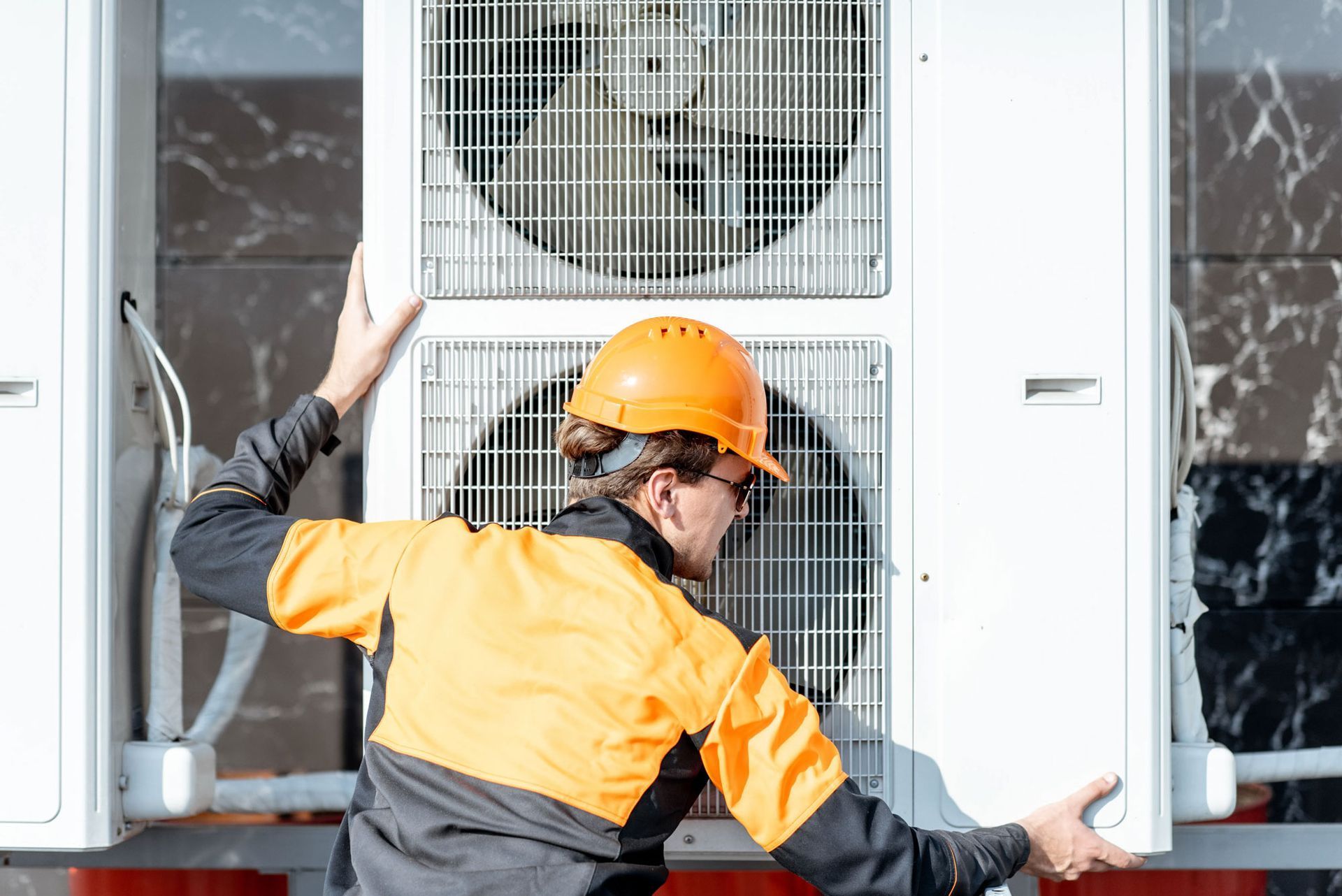
- The air conditioner or heat pump (outdoor unit)
- Refrigerant lines
- Thermostat setup
- Electrical connections
- Possibly new ductwork or modifications to existing ducts
Each of these pieces requires time to install correctly, particularly when ensuring compliance with current code requirements and optimal efficiency.
So, How Long Does an HVAC Install Usually Take?
For most homes, a straightforward HVAC install can be completed in one full day. That’s assuming there are no significant surprises and that we don't need to replace ductwork or make substantial changes to your electrical system.
Here’s a general idea of what to expect:
Simple change-outs, where we’re replacing an older unit with a new one in the same spot and keeping the ductwork intact, can often be done in 4 to 8 hours.
More involved installations, such as upgrading ductwork, installing a different system type (like switching from a furnace to a heat pump), or modifying electrical connections, may take 1 to 2 full days.
Custom installs involving zoning systems, rooftop units, or special permit requirements can take 3 or more days, particularly if weather or access issues cause delays.
But remember, the goal isn’t just to get in and out fast. It’s to do it right. Cutting corners might save a few hours now but can lead to expensive repairs or discomfort later.
Factors That Affect HVAC Installation Time
No two homes are the same, and that’s why installation times can vary. Here are the most significant factors that influence how long your HVAC install will take:
1. Type of HVAC System
Are you installing a central air conditioning system, a heat pump, or a ductless mini-split? Different systems come with varying requirements of installation. Central systems often take longer due to ductwork and wiring, while ductless systems might be quicker but still require careful planning and placement.
2. Existing Infrastructure
If your ductwork is already in good shape, that's a big time-saver. But if it's leaky, undersized, or not up to code, we may need to repair or replace it. The same goes for your electrical setup. Older homes sometimes need updated wiring or circuit breakers to support modern HVAC systems.
3. Home Layout and Accessibility
Is your furnace tucked away in a tight crawlspace? Is the condenser going on the roof? These physical details affect how quickly we can get the equipment in and out, how easy it is to make connections, and how many technicians are needed to do the job safely.
4. Permit Requirements and Inspections
In many areas, including parts of Monterey County, HVAC installs require permits and inspections. This helps ensure everything is up to code and safe, but it can also add a bit of wait time, especially if we need to coordinate with local inspectors.
5. Weather Conditions
Outdoor work like installing a condenser or running refrigerant lines, can be delayed by rain or high winds. While we always do our best to work through the weather, some conditions just aren’t safe for our crews or your equipment.
What Happens on Installation Day?
When the big day arrives, our team at Monterey Bay Heating and Cooling will walk you through every step. Here’s what a typical install day looks like:
- Arrival and Setup: We’ll protect your home with drop cloths and make sure work areas are clear. We may ask that pets be secured and furniture moved away from work zones.
- Removal of the Old System: Your old furnace or AC will be carefully removed, along with any parts that are being replaced. Refrigerant is safely recovered according to EPA standards.
- Preparation of the Site: We’ll level and secure the new equipment, install pads if needed, and prepare electrical or ductwork connections.
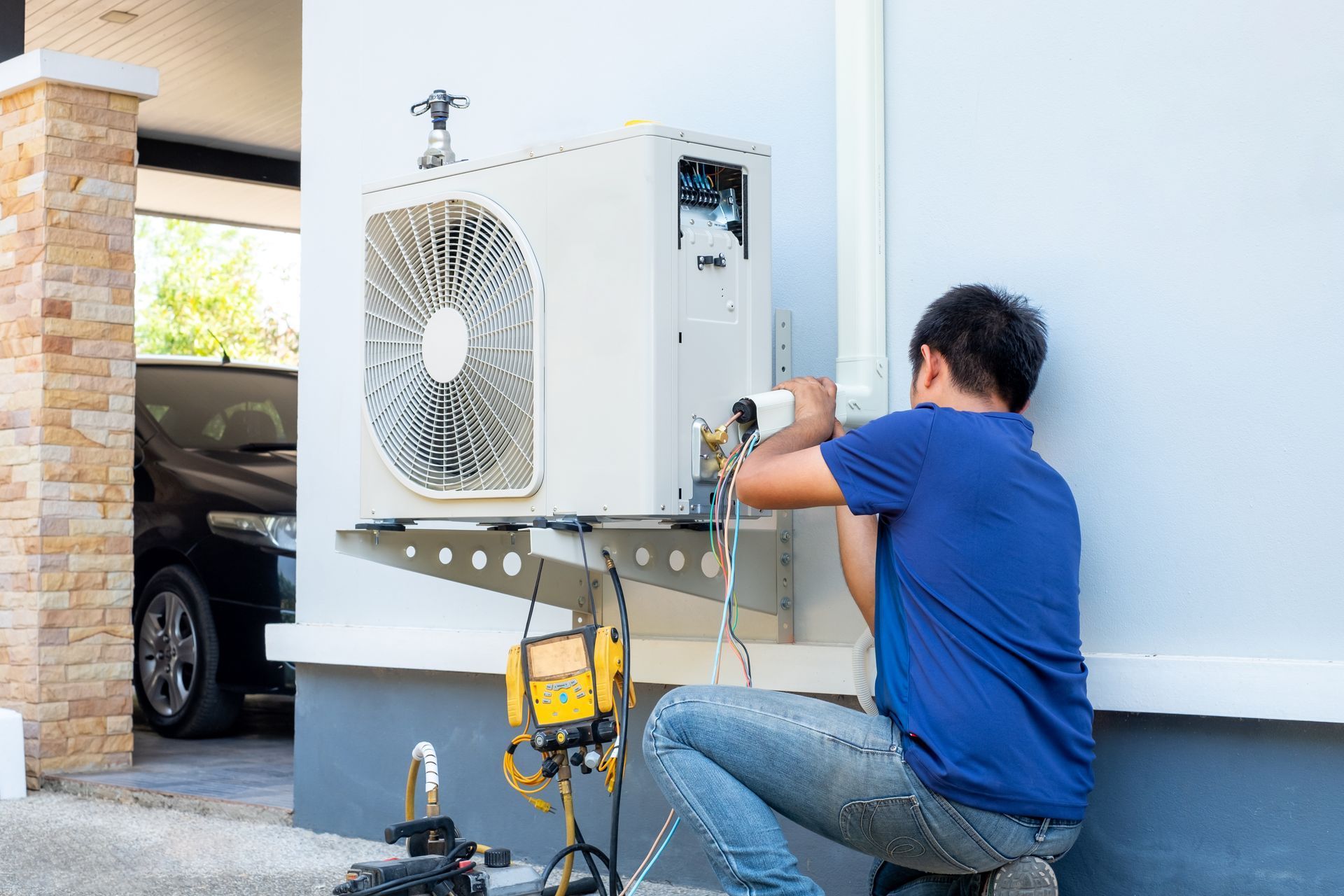
- Installing the New System: This is the heart of the job. We put your new HVAC system in place, connect all wiring, line sets, and controls. It’s detailed work that needs to be done with precision.
- Testing and Fine-Tuning: Once everything is connected, we’ll run the system to check for proper operation, airflow, and refrigerant levels. We’ll also calibrate the thermostat and walk you through how to use your new system.
- Clean-Up and Final Walkthrough: No job is done until your space is cleaned up and you feel comfortable with your new system. We’ll answer all your questions and make sure you know how to keep things running efficiently.
How to Make Your HVAC Install Go Smoother
You can help speed up your HVAC install by taking a few simple steps:
- Clear the workspace: Make sure both indoor and outdoor units are easily accessible before the crew arrives.
- Confirm decisions ahead of time: Know where you want the thermostat placed, which system you’re getting, and any upgrades you’ve selected.
- Stay available: If we need to ask you about system settings or placement questions, being nearby helps us keep things moving.
- Choose a trusted contractor: A licensed, experienced HVAC team (like us) will make all the difference in how smooth the process feels.
Suggested Article: Commercial HVAC Install: What You Must Know First
How Monterey Bay Heating and Cooling Can Help You
We’ve been helping homeowners in the Monterey Bay area stay comfortable for over 35 years. When you choose Monterey Bay Heating and Cooling, you’re getting a team that values clear communication, efficient work, and quality you can trust.
Our technicians are trained to handle all types of systems, from standard central AC to high-efficiency heat pumps and ductless units. We’ll assess your home, explain your options, and provide a clear timeline so you know exactly what to expect.
Our goal isn’t just to finish the job. It’s to make sure you’re happy, informed, and comfortable from start to finish.
Conclusion
Whether you’re replacing an old unit or installing a brand-new system, timing matters. But so does doing the job right. At Monterey Bay Heating and Cooling, we’re here to guide you through the process with honesty, transparency, and top-notch HVAC service.
Get in touch today for a free estimate or to learn more about how long your HVAC install might take. We’d love to help you breathe easier, both literally and figuratively.
Frequently Asked Questions
Can an HVAC system really be installed in one day?
Yes, many standard HVAC installations can be completed in a single day, especially if the existing ductwork and electrical setup are in good condition. For more complex projects, such as those involving new ductwork or system upgrades, the process may take longer. A professional contractor will provide a clear timeline before starting the job.
Do I need to replace my ductwork when installing a new system?
Not necessarily. If your current ductwork is well-sealed, properly sized, and in good condition, it can usually be reused. However, if it's outdated, leaky, or damaged, replacing or upgrading it may be necessary to ensure proper airflow and efficiency. Your installer will evaluate your ducts as part of the installation process.
How much does an HVAC installation typically cost?
The cost varies based on the type of system, home size, and installation complexity. Additional work such as duct or electrical upgrades can also influence pricing. Most contractors offer free estimates so you can understand the full cost before committing to the project.
Will I need to leave my home during installation?
In most cases, you can stay home while your HVAC system is being installed. Expect some noise and movement as the crew works, but professional installers will minimize disruption and clean up thoroughly afterward. They’ll also walk you through the system once installation is complete.
What if I need an emergency HVAC installation?
If your system breaks down suddenly, many contractors offer emergency installation services. These prioritize quick turnaround times to restore heating or cooling as soon as possible. Contact your local HVAC company immediately so they can assess your situation and schedule a rapid response.